Complete Guide to Proper Dumpster Loading
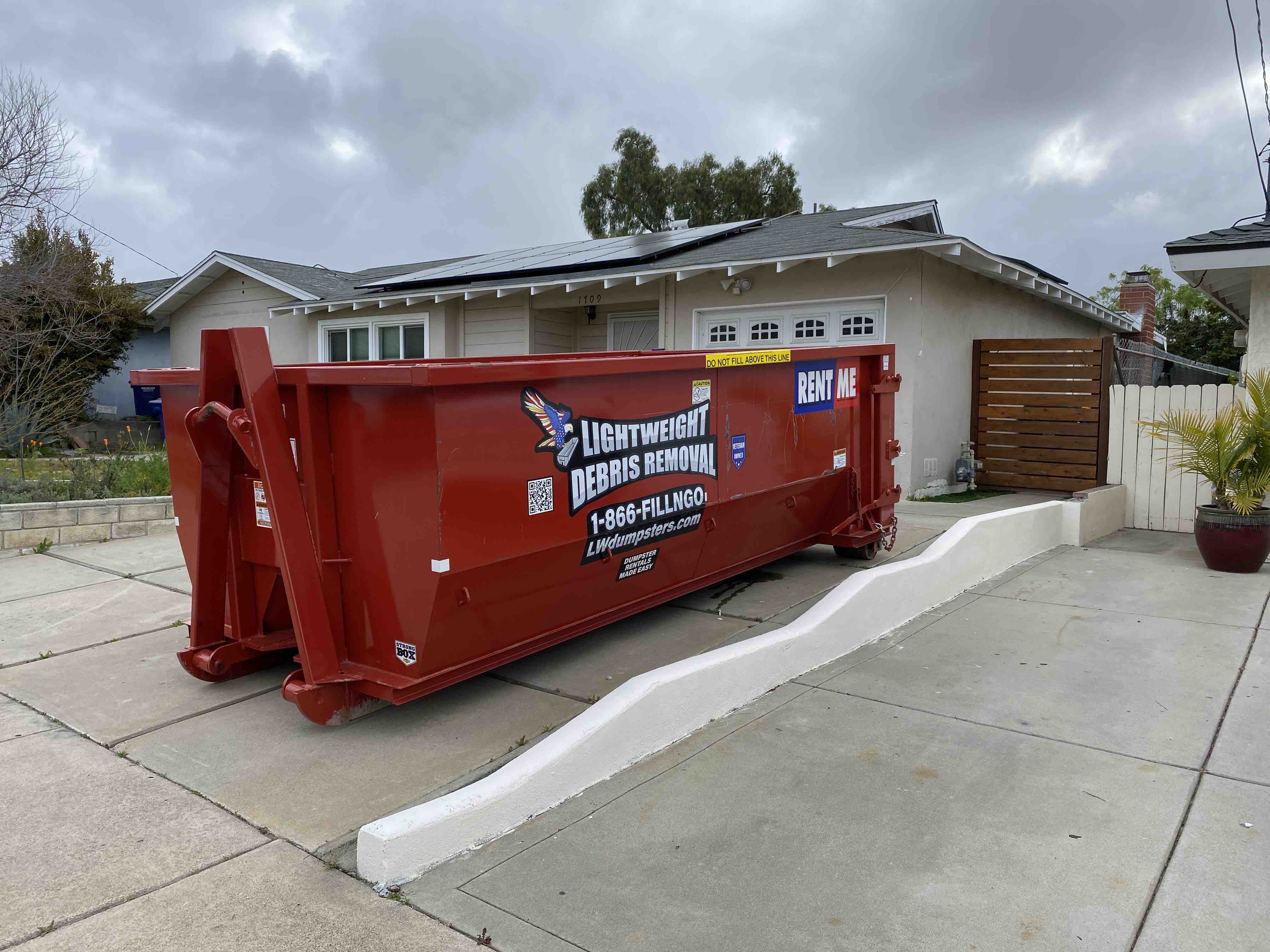
When handling a cleanup, remodeling, or construction task, you might think dumpster loading is an easy step. But the way items are positioned affects how efficiently you use space, how safely you work, and how quickly you finish. Most people don’t realize how much strategy goes into correct dumpster loading, leading to wasted space, risks, and slower progress.
At Lightweight Debris Removal, we highlight that the way you load a dumpster matters as much as picking the right size. Taking an organized approach maximizes container use while ensuring a secure and efficient workspace. Our aim is to help customers gain the most from their rentals through understanding correct loading methods that minimize clutter, avoid damage, and speed up cleanup.
Planning Before You Start Loading
Before filling the dumpster, taking time to organize is essential. Identify what materials you’ll dispose of and check if any can be recycled, reused, or need special handling. Pre-sorting creates efficiency and minimizes the hassle of re-sorting mid-process. Separating risky materials improves safety and prevents potential accidents.
Planning how items will be loaded is another critical step. Lay down the heaviest items first to create stability. Next, stack smaller items above to utilize all available room. Smart preparation reduces the risk of load shifting or tipping during pickup. Such preparation ensures smoother operations and safer conditions overall.
Smart Space Management for Dumpster Loading
Effective space management is essential for optimal dumpster use. Break down bulky items such as furniture or large appliances before placing them inside. Flattening boxes, removing doors, and taking apart parts allows more capacity and prevents wasted space. Doing so enables more debris to fit while keeping the load balanced and organized.
You can also use a layering technique for smarter space allocation. Lay heavy, flat items first to form a strong dumpster container rental Vista CA base. Add lighter debris in between to fill open spaces. Avoid stacking debris past the dumpster’s top edge to maintain safety. Layering effectively ensures a neater, safer, and more productive loading experience.
Safety Best Practices for Dumpster Loading
Safety must always come first when loading a dumpster. Always wear gloves, closed-toe shoes, and suitable protective clothing. Make sure your workspace is clear of debris or uneven ground before lifting. Maintaining situational awareness prevents accidents and improves teamwork.
Avoid tossing items into the dumpster from a distance, since this could result in shifting, accidents, or property harm. Instead, place objects deliberately and with control. For heavy items, always lift with help to stay safe. By practicing caution, you maintain both productivity and protection on-site.
Efficiently Sorting and Arranging Materials
Keeping materials sorted throughout the loading process is essential for maintaining efficiency. Keep comparable debris types—such as wood, metal, or general trash—segregated. This practice makes loading and unloading smoother while simplifying disposal later. You’ll also easily spot recyclable materials, reducing waste and encouraging sustainable habits.
A tidy system helps you avoid reshuffling materials after they’re loaded. Put crushable or soft items like cardboard near the top, keeping sturdier ones underneath. This keeps lighter waste from being blown away and maintains load stability. Being organized saves time and creates a smoother, more professional workflow from start to finish.
Protecting Your Property During Dumpster Use
Though dumpsters are designed for strength, the ground beneath them may not be. Placing wooden planks or similar barriers underneath distributes weight and prevents surface damage. Such a simple step goes far in preserving the condition of your working area.
Choosing the right placement location is just as important. Opt for a stable, easy-to-reach area that won’t obstruct entryways or paths. Avoid positioning the dumpster too close to structures or landscaping features that could be damaged. By combining smart placement with surface protection, you create a safer and cleaner workspace.
Efficient Dumpster Use for Major Projects
Handling large projects often means managing continuous waste flow. Creating a staging area where waste is sorted before reaching the dumpster can streamline loading. It promotes even weight distribution and reduces inefficiencies mid-project.
Encouraging teamwork and good communication boosts workflow efficiency. Divide responsibilities among your team to maintain consistent progress. When everyone knows their tasks, the process runs faster and stays organized. Planning and cooperation are vital for completing big projects without unnecessary setbacks.
Understanding Restricted Dumpster Items
Some materials can’t go into dumpsters, and understanding these limits is critical. Items such as toxic waste, chemicals, and electronic devices need regulated disposal. Improper disposal can damage the environment and lead to regulatory issues. Always confirm what’s allowed before starting to load your dumpster.
Never load the container above its designated fill line or weight limit. An overfilled dumpster can create handling issues and pose transport hazards. Proper loading maintains safe handling and regulatory compliance. Keeping within restrictions prevents delays and complications at pickup time.
Partnering with a Reliable Dumpster Rental Provider
Having a reliable dumpster rental company by your side streamlines the job significantly. Lightweight Debris Removal offers expert dumpster rental services designed for both homeowners and contractors. We ensure on-time delivery, responsive assistance, and easy pickup for every customer.
Selecting a customer-focused company enhances your rental experience. Clear communication, reliability, and efficiency are what make a project succeed. Lightweight Debris Removal is devoted to helping clients achieve organized, secure, and efficient results through expert guidance and responsible use.
Creating an Organized and Productive Worksite
The way you load your dumpster can significantly affect project performance. Keeping order at the site minimizes distractions and enhances coordination. Using effective organization turns cleanup into a natural step in the process.
Lightweight Debris Removal reminds customers that dumpster loading is about more than getting rid of waste. It’s a chance to boost safety, save time, and protect your surroundings. With proper organization, attention to detail, and dependable support, efficient loading becomes key to project success.